
ENERGY STORAGE / EQUIPMENT LIFECYCLE SUPPORT
Readiness.
Maintenance.
Technical support.
Build a field-service program around your battery energy storage equipment. Discuss commissioning-readiness support, planned inspections and OEM-directed corrective campaigns matched to the platform and the work.
BATTERY ENERGY STORAGE / EQUIPMENT LIFECYCLE SUPPORT
BESS FIELD-SERVICE PROGRAMS
Equipment-specific work.
Lifecycle-wide thinking.
Start with the equipment family and the service need. Shape the field team, technical support and work package around your BESS program.
01
Commissioning Readiness
& Turnover Support
Bring equipment inventories, installation-readiness observations and punch-list records together before formal startup and acceptance. Support the commissioning team with assigned field tasks and organized turnover documentation.
02
Preventive Maintenance
& Condition Inspections
Plan platform-specific condition inspections and approved preventive tasks. Capture unit-level findings, accessible equipment indicators and maintenance records that help the owner and OEM prioritize follow-up work.
03
OEM-Directed Diagnostics
& Corrective Campaigns
Coordinate field support for defined diagnostic sequences, approved replacements and repeatable equipment campaigns. Match personnel and tooling to the selected platform, with technical escalation and repair authorization established before the work.
BUILT AROUND THE PLATFORM
The equipment matters.
So does the team behind it.
Energy storage service needs are specific to the system and the task. Bring the field plan and the responsible technical parties together before mobilization.
Equipment familiarity
Match the work to the battery, power-conversion or supporting equipment family and its approved procedures.
Clear technical support
Coordinate with the OEM, integrator and operating team for technical decisions, site access and work authorization.
Useful asset records
Organize findings, completed tasks and open items by equipment identity for the next service decision.
START WITH THE WORK
A practical service
conversation.
A clear starting brief helps identify the right field approach without assuming equipment authority or capabilities that the task does not support.
01
Equipment and location
Identify the manufacturer, equipment family, asset count and site or project location.
02
Tasks and technical support
Share the work needed, available procedures and the OEM, contractor or operating team involved.
03
Timing and completion
Discuss the work window, site readiness and the records needed for acceptance.
MARKET-SPECIFIC QUESTIONS
Understand the role.
Shape the right program.
Can SCR support a BESS commissioning program?
We can discuss readiness, punch-list and turnover support around your commissioning program. Formal commissioning, energization and system acceptance remain with the designated technical authority unless separately qualified and contracted.
Is the maintenance program specific to the storage platform?
Yes. The equipment family, approved task list, personnel qualifications and safe-work arrangements determine the service program. We do not treat one platform’s procedures or authorizations as applicable to every storage system.
Can you support OEM-directed corrective campaigns?
Defined inspection, diagnostic or component-replacement campaigns can be evaluated with the OEM or integrator. The work requires an agreed equipment population, approved instructions, task-qualified personnel and a technical escalation path.
Does this include plant operation or battery emergency response?
The field-service focus here is planned readiness, maintenance and authorized technical support. It does not imply full-plant operating responsibility, internal cell repair, emergency response or an availability guarantee.
LET'S TALK ABOUT THE WORK
Build your storage
field-service program.
Share the equipment family, project phase and service priorities. We can discuss the work package and the technical resources needed.
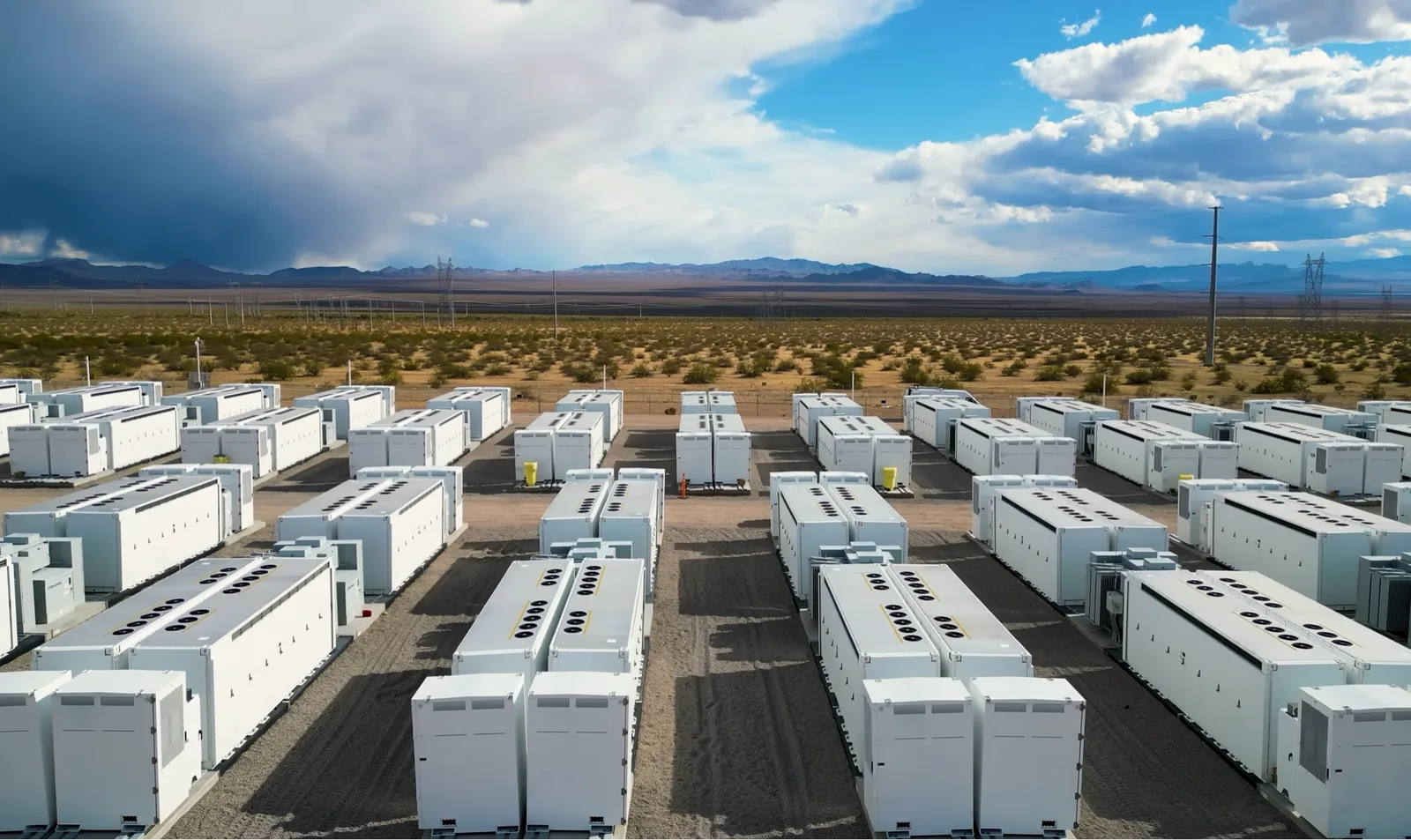
Representative industry image, not an SCR project. Photo: Kecko / Wikimedia Commons, CC BY 2.0. Resized, converted to WebP and cropped for this layout. No affiliation or endorsement implied.
